Method

four steps, and the places it can go wrong

step one

A paper is priced

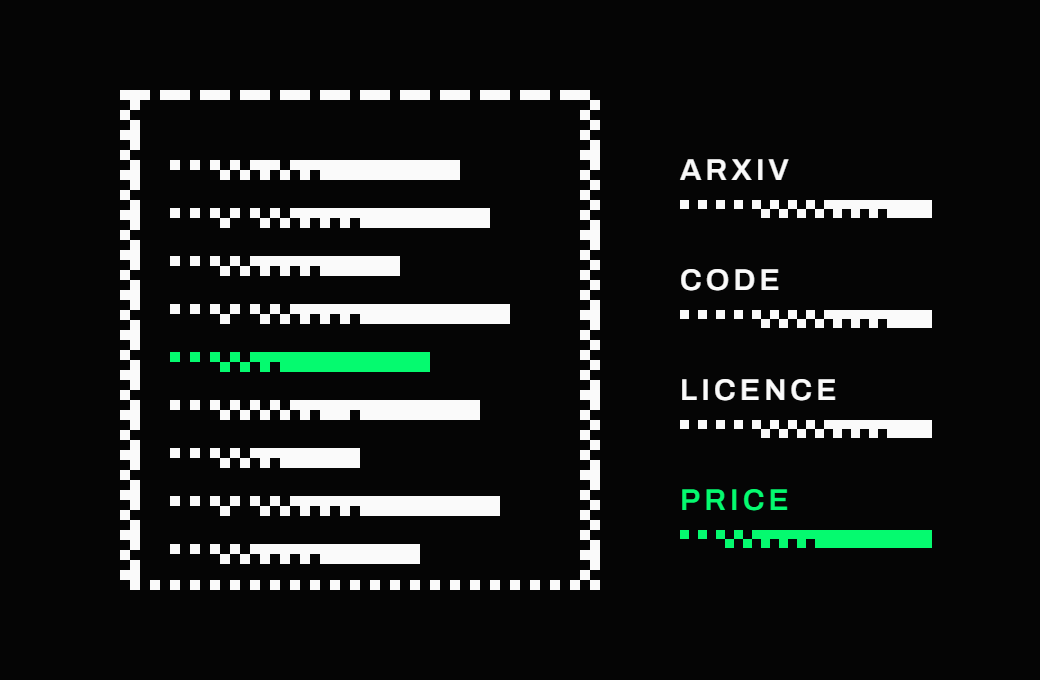
You paste an arXiv link. The sorter reads the paper, looks for its code in the paper, on the arXiv page and on Hugging Face, checks what the repository's licence allows and prices a run. If it cannot be priced, no coin opens on it.

step two

A coin is created, with its fees locked

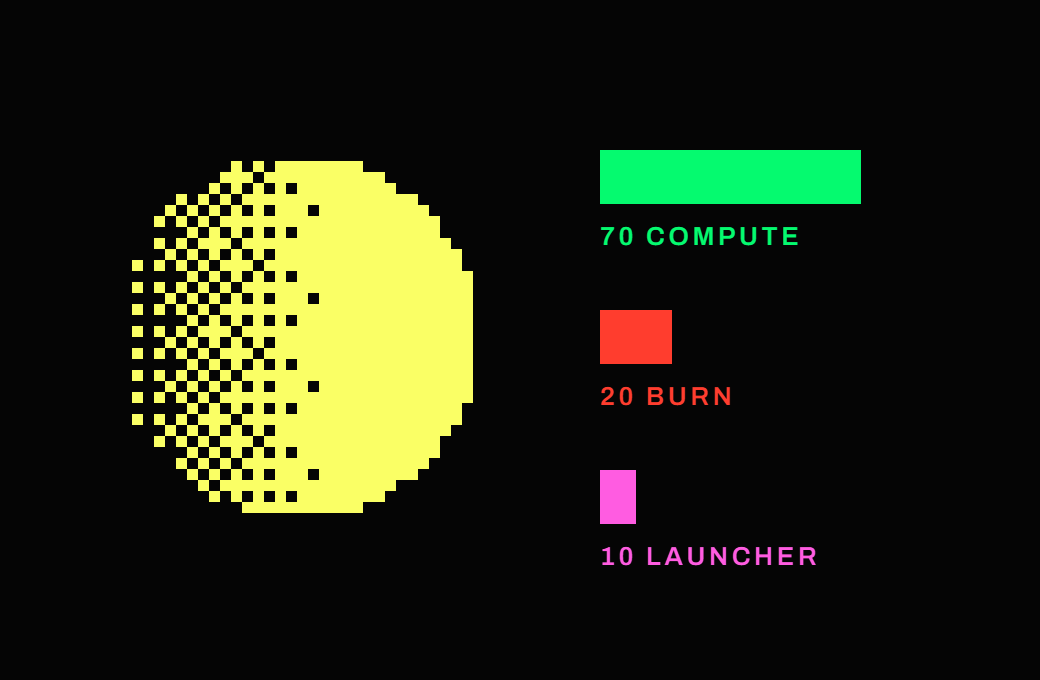
The coin is created on pump.fun by your own wallet, with a memo naming the paper. In the same transaction the creator fees are split 70 compute, 20 buy and burn, 10 to you, and pump revokes the authority that could change that split.

step three

The claims are run

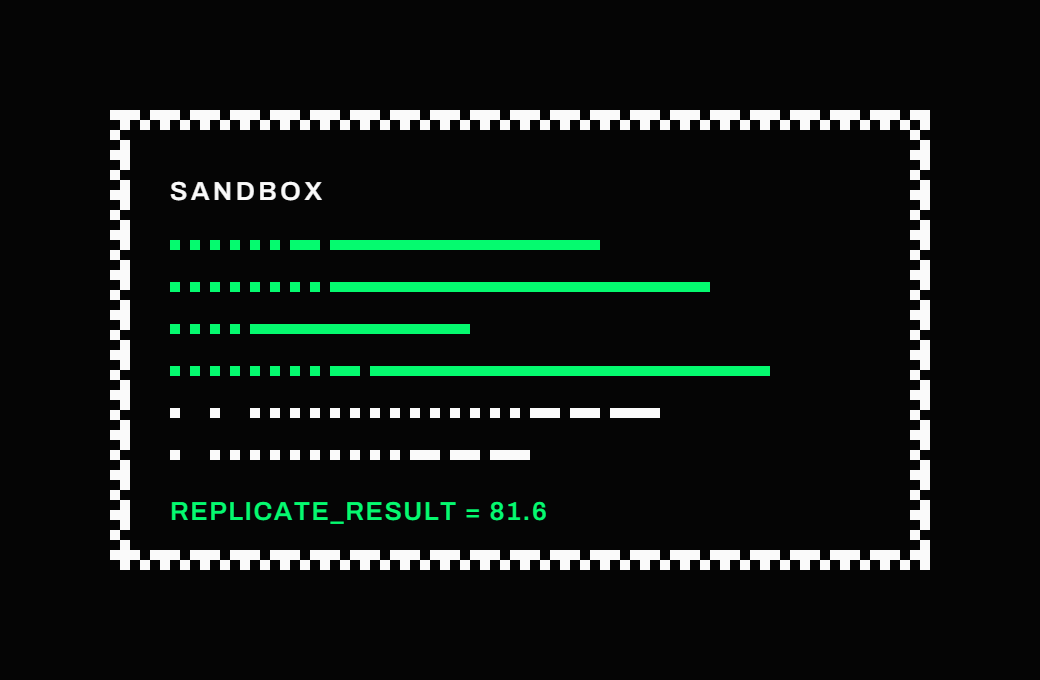
The paper's claims are written out as rows: a target number and a tolerance, the default being two percent relative. When the budget covers the next claim, the agent runs the authors' own code in a sandbox and the number is read out of the program's output by code, never by the agent.

step four

A verdict, with its receipts

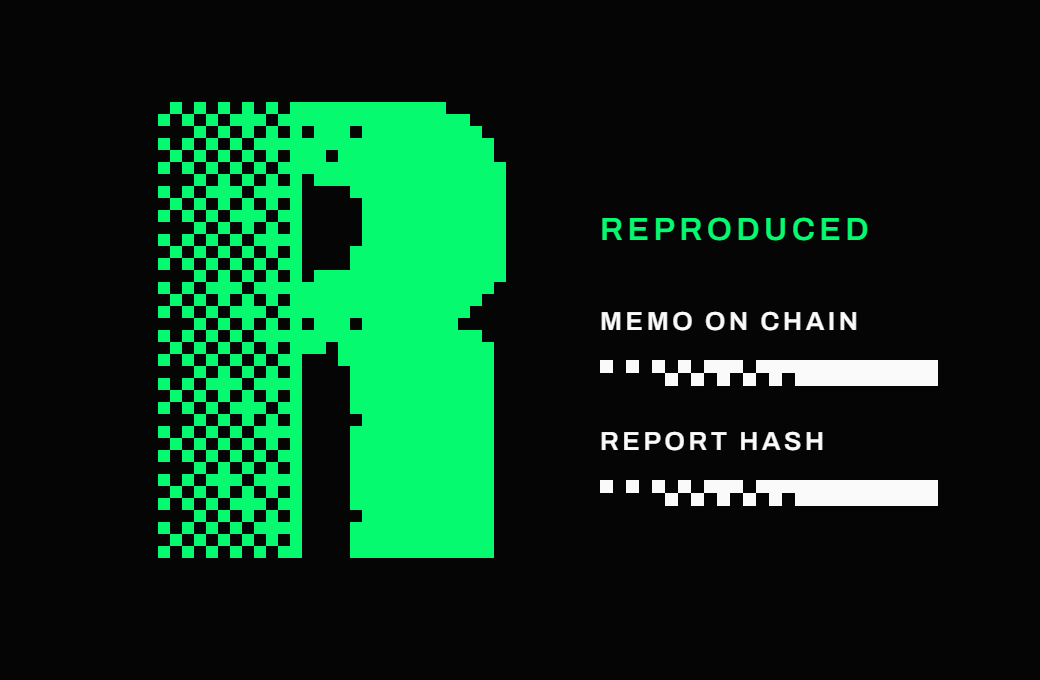
Inside the tolerance is REPRODUCED, close is PARTIAL, far is FAILED, and no number at all is BLOCKED. The notebook, the log, the environment and the comparison table go to a public repository, and the verdict with the hash of that report goes on chain as a memo.

Where it can go wrong

a wrong FAILED

An environment, a version or a missing seed can fail a run that the authors did honestly. Every FAILED verdict is published with its full log and that warning on it, the authors can send a correction, and the claim is run again for nothing.

what cannot be afforded

Training a large model is out of reach here. The sorter says so in the paper's own words before a coin exists, and a claim that turns out to need it ends BLOCKED rather than FAILED.

licences

Code and data are run only when the licence allows it, and a report never republishes somebody else's data. A repository with no licence can end a claim BLOCKED on its own.

the authors

This is a check, not an attack. A paper is named with its authors and linked to arXiv, and the result is about one number, not about the people who wrote it.
This is not financial advice. A coin here is a coin: it can go to nothing, and the paper behind it does not change that.